




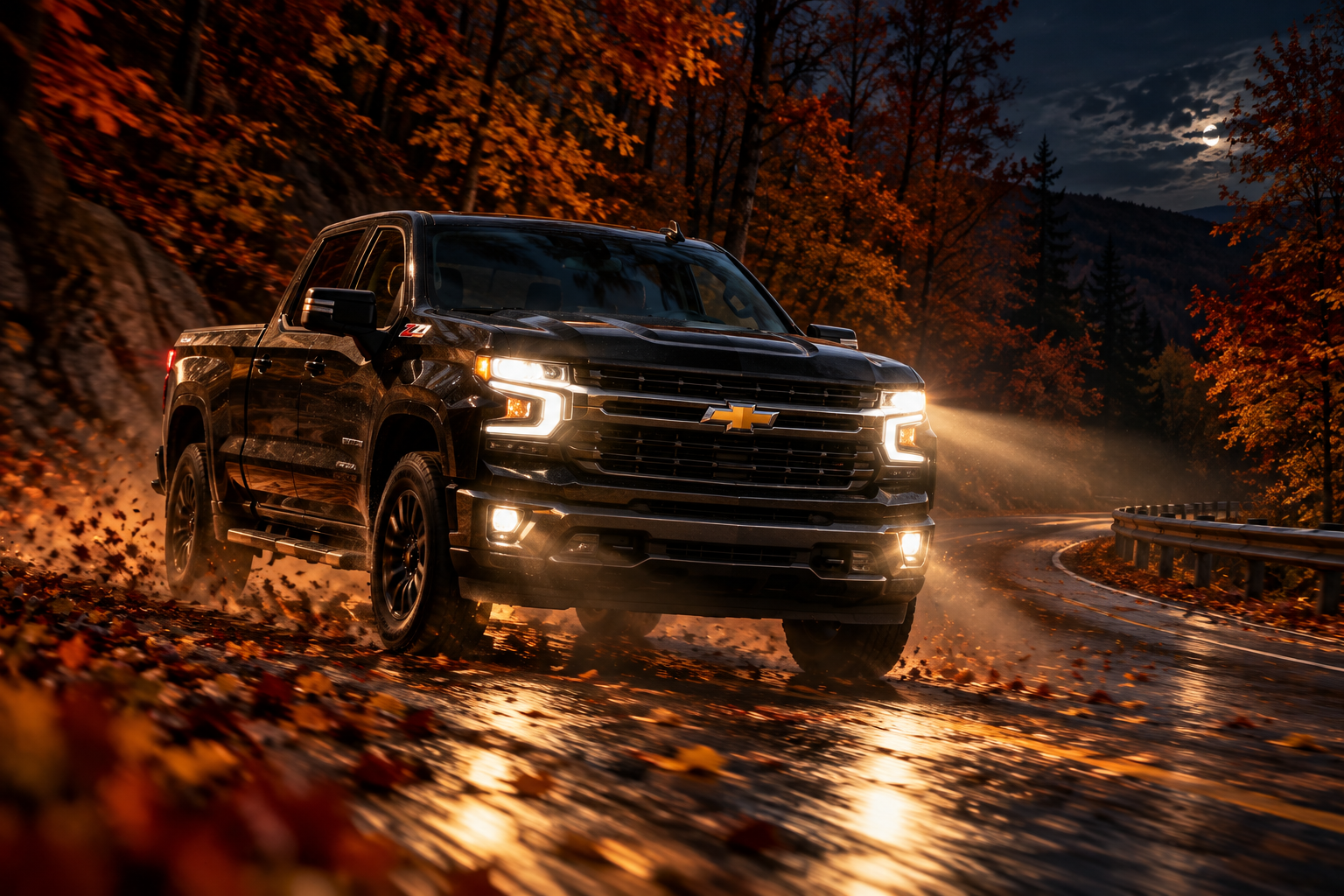
On November 1, 2026 clocks fall back one hour marking the end of Daylight Saving Time for the year. That single hour shift means Yakima Valley and Tri-Cities commuters will suddenly find themselves driving home in complete darkness instead of daylight. Darker commutes demand a properly functioning visibility system on your vehicle. Here is your complete headlight check and visibility guide for Daylight Saving Time from our team at C Speck Motors in Sunnyside.
Why Darker Commutes Demand Extra Preparation
Research consistently shows that traffic accidents increase noticeably during the weeks immediately following the fall time change. Here is why darker commutes after November 1 are genuinely more dangerous for Yakima Valley drivers:
- Drivers and pedestrians are suddenly navigating roads in darkness that were previously lit by daylight
- Animal activity including deer increases significantly during dawn and dusk hours in fall months
- Fall rain and wet roads reduce visibility further during darker evening commutes
- Fatigue from disrupted sleep schedules after the time change affects driver reaction times
- School children and pedestrians are suddenly walking during pre-dawn morning darkness
Your Complete Fall Visibility Checklist
Headlight Checks
Check All Bulbs Are Functioning
Walk around your vehicle with the headlights on and verify every exterior bulb is functioning correctly. Check your low beams, high beams, fog lights, turn signals, brake lights, and reverse lights. A burned-out bulb that goes unnoticed during daylight becomes a serious safety issue after darker commutes begin.
Check for Foggy or Yellowed Headlight Lenses
Cloudy or yellowed headlight lenses can reduce your headlight output by up to 80 percent compared to clear lenses during nighttime driving. If your lenses appear foggy or hazy they need professional headlight restoration or replacement before darker commutes begin after November 1. Our service team at C Speck Motors can evaluate your headlight condition and recommend whether headlight cleaning and restoration or full replacement is the right solution.
Check Headlight Aim
Headlights that have shifted downward from road impacts or normal vibration reduce your forward visibility significantly during night driving. Have your headlight aim professionally checked at C Speck Motors if you notice reduced forward visibility during nighttime commutes after the time change.
Consider an LED Upgrade
If your vehicle still has older halogen headlight bulbs consider upgrading to available LED replacement bulbs for significantly improved light output and longer bulb life. Our parts team at C Speck Motors can advise you on available LED headlight upgrade options for your specific vehicle.
Glass Checks
Inspect Your Windshield for Cracks and Chips
Even small cracks and chips create dangerous glare from oncoming headlights during nighttime driving after Daylight Saving Time ends. Have any existing windshield damage professionally repaired at C Speck Motors before darker commutes begin after November 1.
Clean All Glass Inside and Out
A dirty windshield creates significantly more glare from oncoming headlights during nighttime driving than a clean one. Clean your windshield inside and out using a quality glass cleaner and clean microfiber cloth before darker commutes begin. Clean your rear window and side windows at the same time for maximum all-around visibility during darker fall commutes.
Wiper Checks
Inspect Your Wiper Blade Condition
Worn or streaking wiper blades create dangerous visibility gaps during fall rain showers that arrive after Daylight Saving Time ends. Replace your wiper blades at the start of every fall season before darker and wetter commutes begin. Wiper blades should be replaced every six to twelve months depending on use and Eastern Washington's summer heat exposure.
Check Your Washer Fluid
Fill your windshield washer fluid reservoir with fluid rated for well below freezing temperatures before the cold fall season arrives. Verify that both washer nozzles spray correctly and cover your entire windshield surface. An empty washer fluid reservoir leaves you unable to clear road grime from your windshield during nighttime driving when visibility is already reduced.
Mirror Checks
Clean All Mirror Surfaces
Clean your side mirrors and rearview mirror with a quality glass cleaner and microfiber cloth as part of your fall car maintenance visibility checklist. A clean mirror surface provides a significantly clearer image than a dirty or smudged mirror during nighttime driving conditions.
Check Auto-Dimming and Heated Mirror Functions
Verify that your auto-dimming rearview mirror is functioning correctly before darker commutes begin after Daylight Saving Time ends. If your vehicle has heated exterior mirrors verify that both heating elements function correctly before cold fall mornings arrive in the Yakima Valley.
Smart Habits for Darker Drives After November 1
Turn Your Headlights On Earlier
Turn your headlights on at dusk rather than waiting until full darkness to improve your visibility and make your vehicle more visible to other drivers. Many vehicles with automatic headlights do not activate until it is significantly darker than optimal for safe driving.
Use Low Beams in Fog and Rain
Always use low beam headlights rather than high beams during fog, rain, and mist conditions on Yakima Valley roads. High beams reflect off fog and rain droplets creating a blinding white wall that reduces your forward visibility rather than improving it.
Increase Your Following Distance After Dark
Increase your following distance to at least four seconds behind the vehicle ahead during darker fall evening commutes. Nighttime driving reduces your ability to perceive hazards and react to sudden slowdowns compared to daytime driving in equivalent conditions.
Watch for Deer and Wildlife
Deer and other wildlife are significantly more active during dawn and dusk hours in fall months across the Yakima Valley and Eastern Washington. Scan road edges and shoulders actively for reflective animal eyes during nighttime drives on rural Yakima Valley roads after the time change.
Avoid Driving When Fatigued
The disrupted sleep schedule that accompanies the fall time change increases driver fatigue during the first week or two after the clocks fall back on November 1. Take extra care to get adequate sleep during the adjustment period and avoid driving when you feel genuinely tired or drowsy after the time change.
Get Your Vehicle Ready for Darker Commutes at C Speck Motors
Is your vehicle ready for darker fall and winter commutes after Daylight Saving Time ends on November 1, 2026? Our experienced service team at C Speck Motors in Sunnyside serves all makes and models and is ready to perform a complete visibility inspection including headlight restoration, bulb replacement, wiper blade replacement, and glass inspection. Here is how to schedule your fall car maintenance visibility check today:
- Online: Visit our website and click "Schedule Service"
- By Phone: Call our service department directly
- Walk-In: Stop by during service hours for same-day visibility inspection
Do not let worn headlights, foggy lenses, or worn wiper blades compromise your safety on darker Yakima Valley roads this fall. Schedule your complete visibility check at C Speck Motors in Sunnyside today and drive with confidence through every darker Eastern Washington commute after Daylight Saving Time ends on November 1, 2026.